Why Do Swimming Pool Mosaics Fall Off? Insights and Prevention by the Experts

Have you ever noticed missing mosaic tiles while swimming, or perhaps felt a sharp edge on the pool steps? At Bel Vedere, with over 30 years of experience in luxury surfaces
1. The Backing System: How Mosaics are Held Together
Most mosaics come in 30x30 cm sheets for easier installation
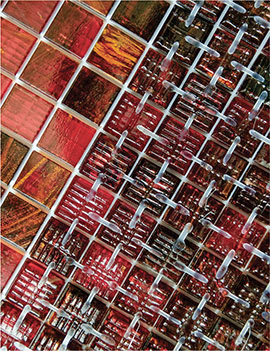
Mesh-Backed Mosaics: While popular and easy for installers to align, the glue used to attach the mesh often lacks water resistance
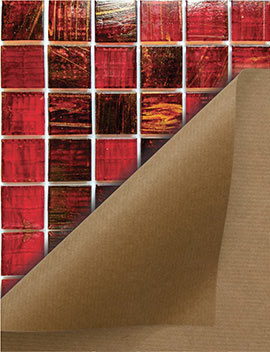
Paper-Faced Mosaics: This traditional method leaves the back of each tile 100% exposed
Resin-Dot Systems: A modern innovation designed to offer the best of both worlds—ease of installation and nearly 100% adhesive contact
2. The Right Adhesive: Glass Doesn't "absorb"
Glass is a non-porous material—it does not absorb water
Pure White Base: Since glass can be translucent, the white adhesive ensures the mosaic’s colors remain vibrant and true
Extended Open Time: This gives craftsmen the necessary time to meticulously align the grout lines for a seamless, professional finish
3. The Shield: High-Performance Grout
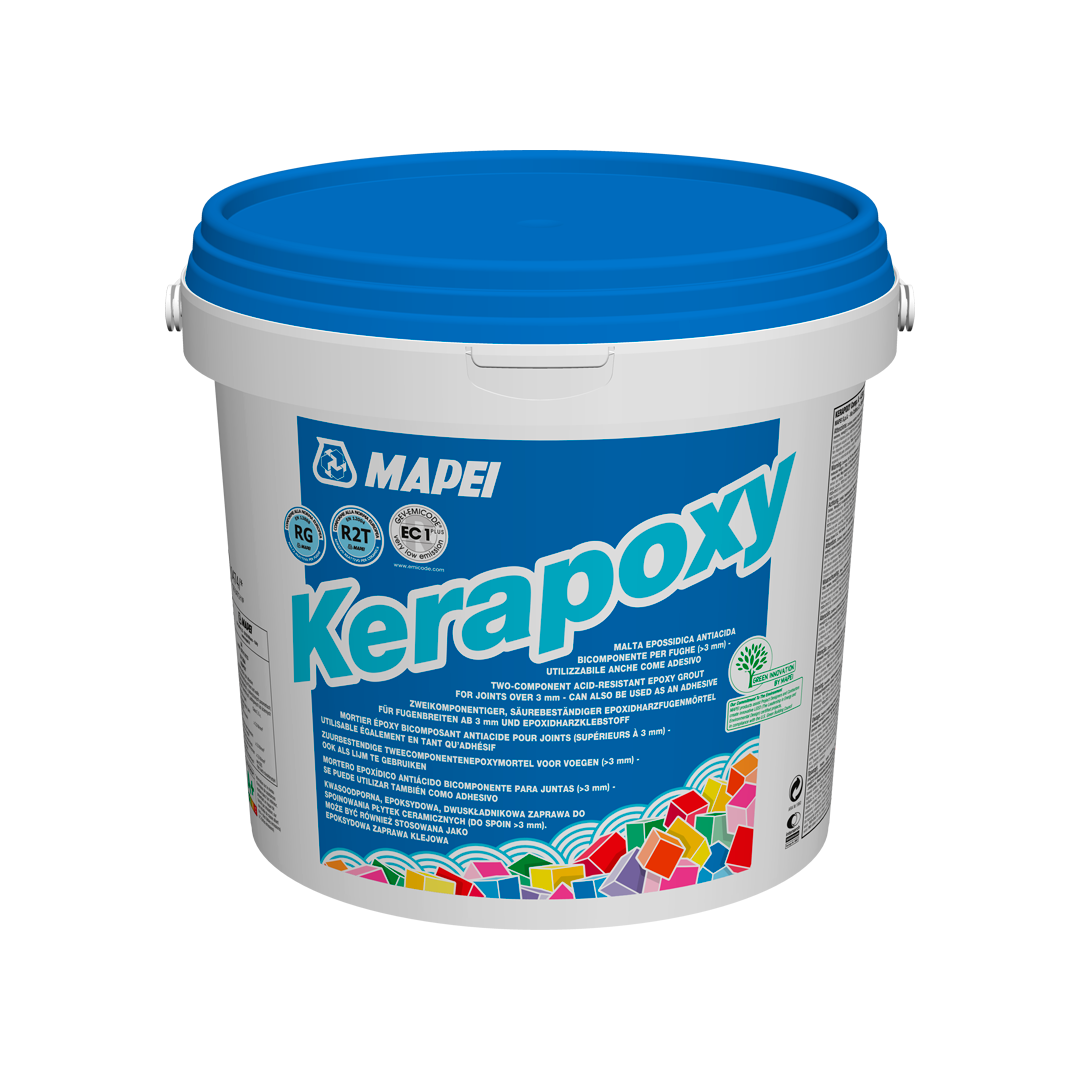
In a swimming pool environment, the grout is the first line of defense against chemicals. Bel Vedere recommends MAPEI Kerapoxy
Chemical Resistance: Unlike standard cement grouts, epoxy is highly resistant to the chlorine and cleaning agents used in pool maintenance
Structural Integrity: It is incredibly strong and prevents water from seeping behind the tiles, which is a common cause of bond failure over time
Bel Vedere Expert Tip: The "Splash Zone" Risk
Our experience shows that mosaics located at the water line or in "wet-dry" zones often fail first
Don’t let your pool lose its luster. Whether you are a homeowner, an architect, or a contractor facing these challenges, the team at Bel Vedere is ready to provide the technical solutions and premium materials your project deserves
.